











“Year One” is a designation of Comic Books that signifies an origin story. It’s most famously used in Batman: Year One, a comic in which Bruce Wayne is new to being a vigilante and is still figuring out what to do. Origin stories are very common in superhero media, and are often some of the most popular (Such as The Amazing Spider-Man, which is far better than The Amazing Spider-Man 2. However, the reverse can also be true. For example, Batman Begins is much less popular than The Dark Knight). Following the genre of Year One stories, this DC Black Label story tells the recent past of Edward Nashton as he makes the spiral into becoming The Riddler, with various flashbacks to his youth.
What makes this specific story interesting is that it is meant to be a precursor to The Batman movie from 2022. The version of the Riddler depicted in the book is the exact same character in the movie. What’s especially interesting about this is that the author of the comic, Paul Dano, is the actor who played the Riddler in the movie. This helps immensely with the fact that the characters are the same. The story ends right as the events of the movie begin, sort of as a way to say “and the rest is history.”
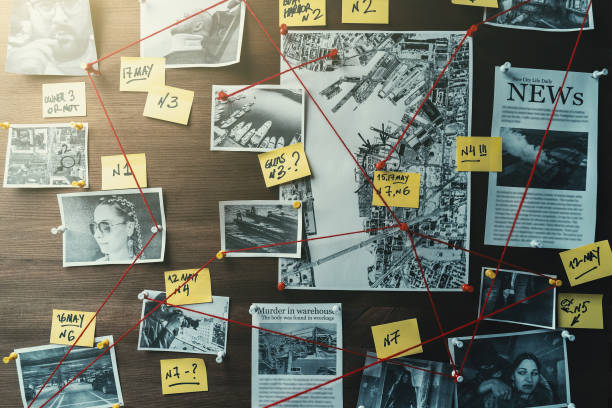
The book is six issues long, and follows Edward as he discovers shady business in the company he works for– a law firm that represents very high-up people in the political realm. Being a genius as he is, Edward realizes that the numbers in accounting don’t add up, and somebody has been taking an exact $10,000 a month in a way that wouldn’t get flagged in the system. When he investigates further, he finds that it goes all the way to the top. Various police, law, and political powers in Gotham City were working for the Gotham crime families, and Edward sought to do something about it. As he tries to help people involved in the crime against their will and take down the men at the top, he begins spiraling in his own mind, slowly becoming the online presence of justice that we see him as in the movie. He idolizes The Batman and writes in his journal about working with him to take down those in power, finally dawning the name “The Riddler,” and putting together the costume and website that we see in the movie which he uses to gain a following of people with the same ideology who can help him.
A neat fact about the portrayal of The Riddler in this book (and in the movie) is that his name was changed from Edward Nygma to Edward Nashton. In many comics, this change is used to note his separation from abusive parents. In this portrayal, however, Edward grew up in an orphanage and never knew his parents, so why change the name? Well, the simple explanation is that the name Edward Nygma was made to make a pun with the word “Enigma” (E. Nygma). The character of The Riddler was originally created in 1948, making his debut in Detective Comics #140. At that time, making characters with wordplay or puns in the name was very popular, as comic books were meant to be fun and light-hearted This version of the character, however, is very clearly meant to be a much darker and realistic version of the character, rather than a man with green spandex with question marks and a silly gold cane. That is what prompts the name change, just to show that the character you’re seeing is a gritty, darker version of The Riddler, as opposed to the generally goofy version that is seen in most media, such as the Jim Carrey version from Batman Forever in 1995.
If you enjoyed Matt Reeves’ “The Batman” (2022), I highly suggest checking out this comic if you enjoy reading comic books. It is very well-done, and it even got me a little uncomfortable and immersed, just like it was supposed to. I’ve personally never seen a comic book based on a movie that was written by one of the actors, and I find it very interesting. Moreover, if you enjoyed this comic book summary and review, tune in once a month to read more from The Comic Corner!