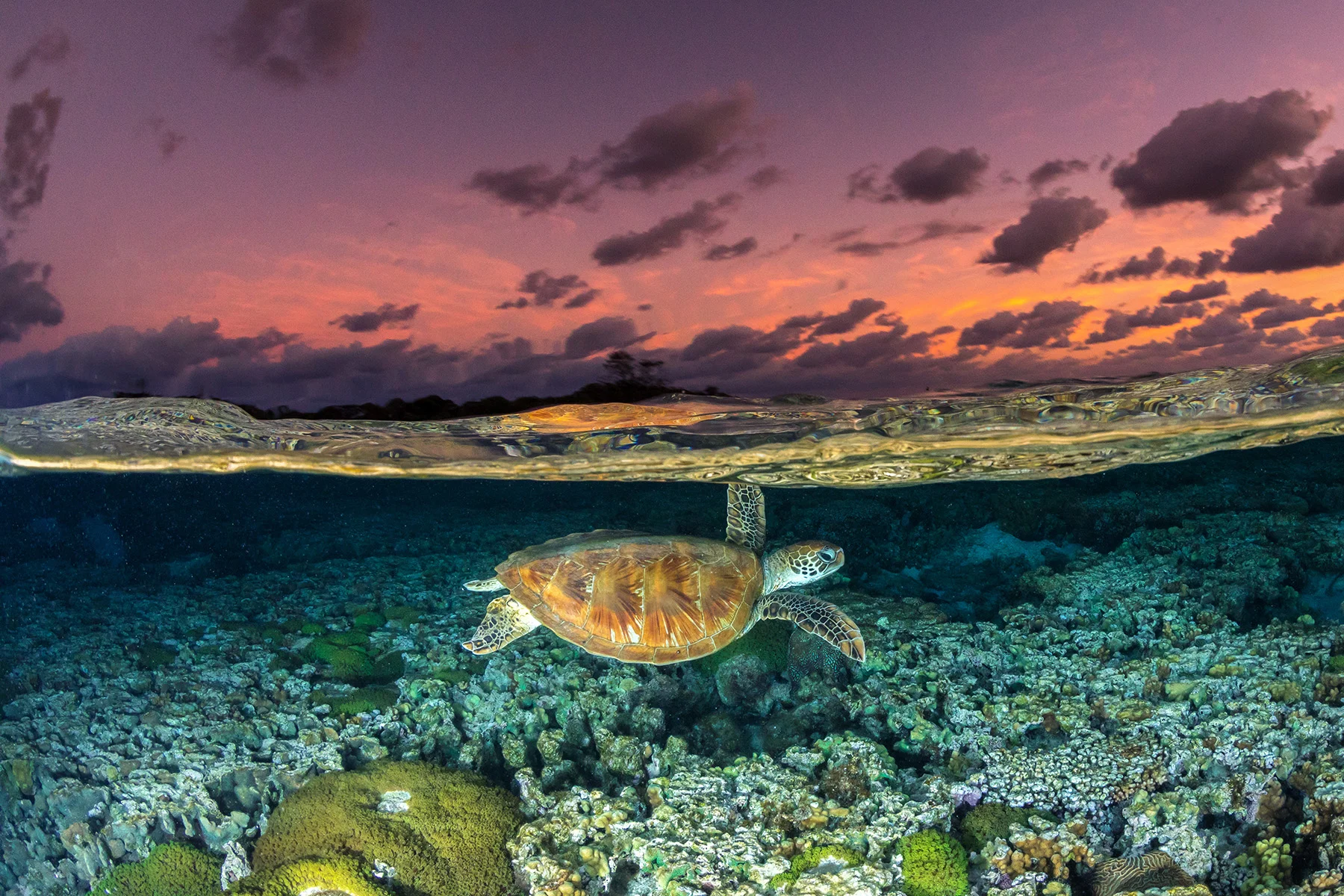

Across the globe, there are around 20,000 different species of endangered animals. In the last few years, green sea turtle populations have been a major concern. They have faced many threats to their existence such as bycatching, habitat loss, and ocean pollution. However, according to an October 2025 study performed by the International Union for Conservation of Nature, we received a hopeful shift: the green sea turtle is no longer considered an endangered species.
Green sea turtles have been considered an endangered species since July of 1978, which means they have been facing threats for nearly five decades. One of the biggest threats to this species is bycatching, where the animals become entangled in fishing gear like trawl, gillnets, and longlines, ultimately leading to death or debilitation. While their capture is unintentional by fishermen, it is one of the most primary causes they have faced endangerment. Rising sea levels have contributed to their loss of habitat as well, as they can no longer nest on the beaches. Artificial lighting along beaches is another factor in their endangerment; it deters females from nesting on the beach and disorients hatchlings from finding their way to the sea after birth. Ocean pollution also highly contributes to the species loss of life, both directly and by habitat destruction. Green turtles may ingest marine debris such as fishing line, balloons, plastic bags, plastic fragments, floating tar or oil, and other materials discarded by humans which they often mistake for food. They may also become entangled in marine debris, including lost or discarded fishing gear, which can lead to injury as well as death.
Conservation efforts regarding the lives of green sea turtles have proved to be working, as their population numbers have increased significantly in recent years. Some key actions include patrolling nesting beaches, implementing Turtle Excluder Devices (TEDs) in fishing nets, reducing coastal lighting, and establishing specific protected marine areas. The implementation of TEDs have allowed for modifications within fishing gear that allow turtles to escape nets and avoid injuries from hooks or lines. Fisheries are also required to have observers aboard, which work to understand the amount and extent of bycatch, how turtles interact with the gear, and how the previously mentioned efforts are working. Conservationists protect nesting beaches from predators and human disruption, while the U.S. Fish & Wildlife Service designates critical habitat for feeding and migration. In addition, networks of trained stranding responders are authorized to recover dead turtles or assist live turtles and document important information about the causes of strandings. These networks include federal, state, and private organizations. All of this considered, based on a recent study conducted by the International Union for Conservation of Nature (IUCN) , has labeled green sea turtles as no longer a primary endangered species. So, although they are not completely and totally recovered, their population numbers have been increasing significantly in a positive manner.
As of early 2026, the IUCN has deemed over 48,600 species to be threatened with extinction, and the vast majority of current animal endangerment is caused by human activity. Some of the most primary contributing factors from humans are exploitation (poaching, overhunting, etc.), pollution, and deforestation. These things cause animals to lose their homes and in turn their lives, so we as humans should all be more conscious of our choices and how they affect the world around us. There are many steps we can take to help species become no longer endangered, just as we have done for green sea turtles. By implementing fishery reforms, catching methane leaks, curbing greenhouse gas emissions, and stopping pollution, we are all able to give endangered animals a second chance to live.