































The Endangered Species Act is one of the nation’s most effective laws to protect at risk species from Extinction. It was passed in 1973 providing federal protection for plants and animals that are endangered. This act limits activities that could harm them or destroy their habitats. Humans’ increasingly quick development, climate change, pollution, and habitat loss are all major threats to wildlife. ESA is a critical Safeguard preventing vulnerable species and the ecosystems they rely on. While they are praised for preventing extinctions, The law remains of sources controversy balancing Environmental Protection with economic and land use concerns.
This act identifies any species that are endangered or threatened and provides them with the protection they need to survive. Once an animal gets added to the “endangered” species list, it becomes illegal to harm, kill, or trade that species. Not only does the act directly protect threatened species but it also protects their critical habitats, such as where they eat, breed, and shelter. This ensures that the animal and its home has what it needs to survive and recover.
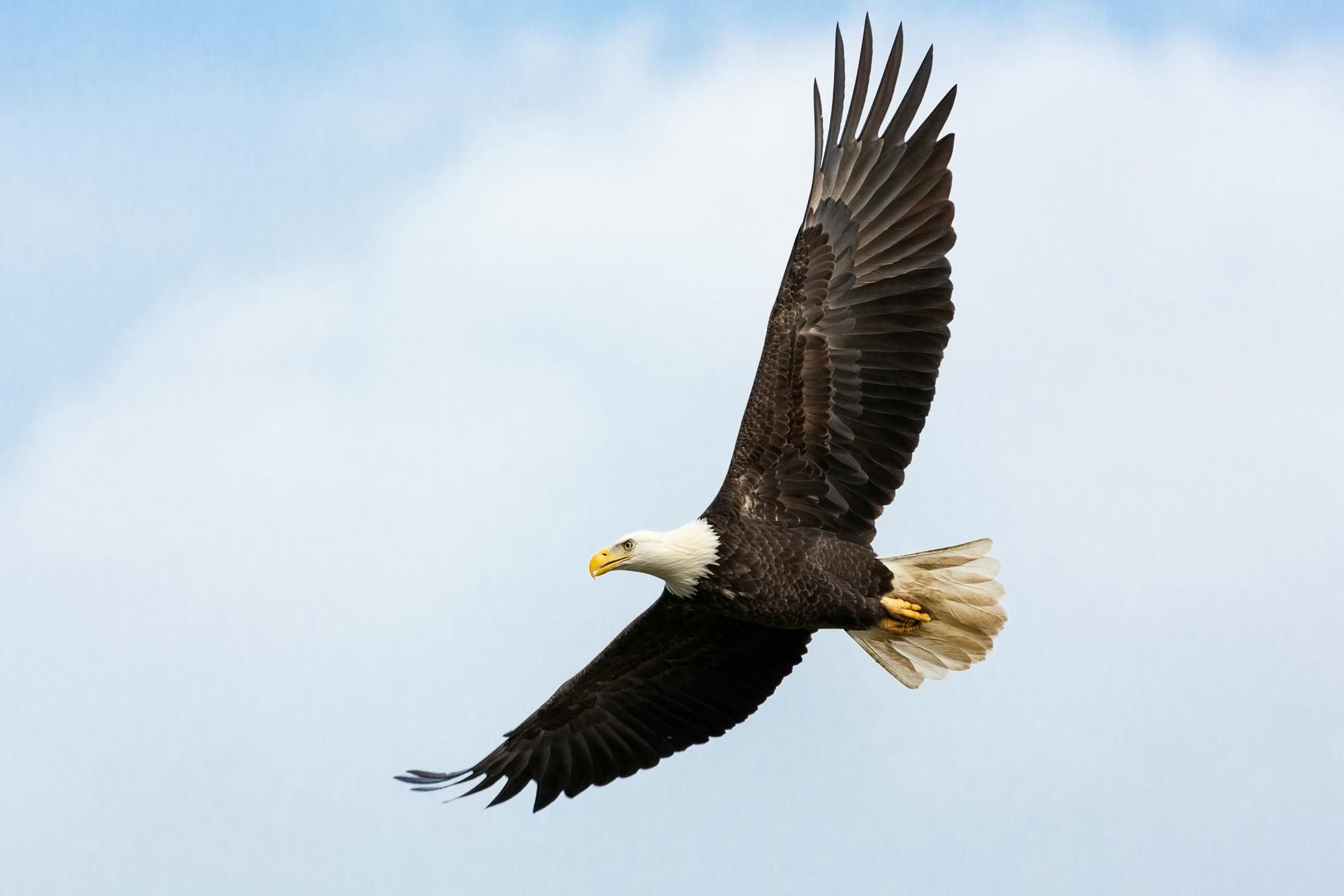
One of the most successful and well known ESA acts was the comeback of America’s national symbol, the bald eagle. In the 1970s there were fewer than 450 pairs of bald eagles left in the wild. The three main causes of their death was habitat loss, poaching, and the widespread use of the pesticide DDT. They were poisoned through the witch they were consuming and it caused their eggshells to become extremely weak and often break during incubation or just not hatch at all. After being added to the endangered species list in 1978 the eagles benefited from habitat protection and pollution controls. The numbers rebounded dramatically and in 2007 they were removed from the endangered species list. They can be seen across much of the country as a reminder that conservation laws can and do work to protect our wildlife.
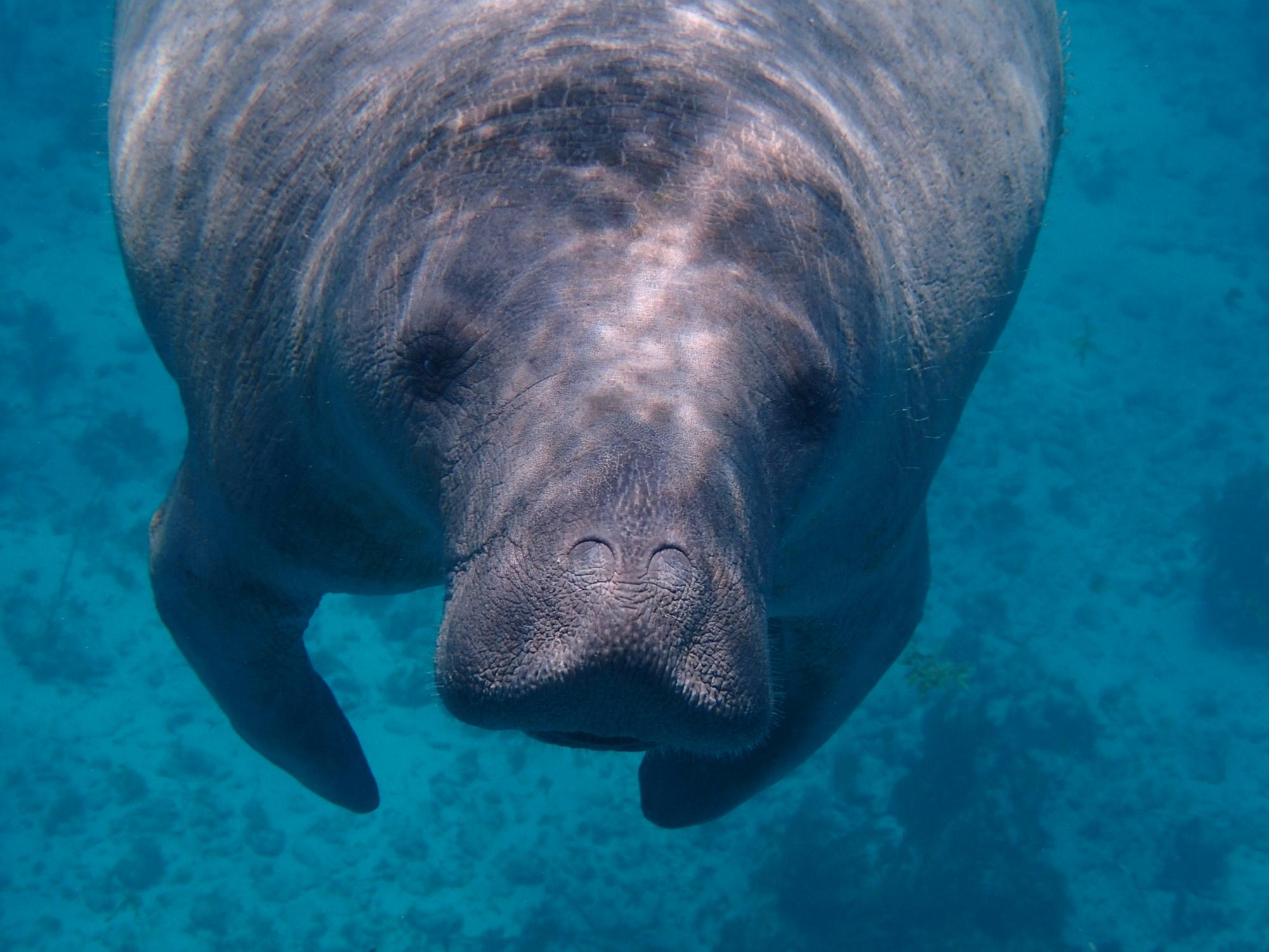
Marine Wildlife Has also highly benefited from The Endangered Species Act. The Florida Manatee along with several different types of sea turtles, sea otters, and whales have all received different protections including reduced boat speeds, limited fishing practices and protected coastal habitats. These measures all help to protect these animals and their homes. It has also helped stabilize and in some cases increase populations that were once rapidly declining due to human interference.
Despite its success The Endangered Species Act still faces controversy. Some people argue that these laws slow Economic Development and restrict land use from farmers and developers. ESAs counter argument is that they include flexibility such as habitat conservation and cooperative agreements that allow conservation and economic activity to coexist together. Another argument for ESA is that preventing extinction and protecting animals while they still can, is far less costly than trying to restore species after they are extinct.
According to conservation groups, the Endangered Species Act has prevented more than 6,700 different animals and 35,000 plants from going extinct. While not every recovery is fast or complete, 99% of all species listed under ESA are still alive today. This shows that the law helps keep them from disappearing completely by providing a safety net for any species that faces threats due to pollution and human interference.
As America continues to grow and develop further, this act is a reminder that protecting wildlife is a shared responsibility. It is up to us to keep these animals safe and protected from anything that can cause extinction. By giving these plants and animals a fighting chance at surviving ESA helps to ensure our future generations get to experience the wildlife we do today in more than just pictures and history books.