


















There are many cases of movies, TV shows, and games in pop culture that have a lesser-known origin on the pages of comic books. Prominent examples of this include Star Wars (Dark Horse Comics), Transformers (Image Comics), and Power Rangers (BOOM! Comics). But another popular franchise that doubles as a comic series is the Teenage Mutant Ninja Turtles. Everyone knows these green fighters, but not everyone knows about their comics.
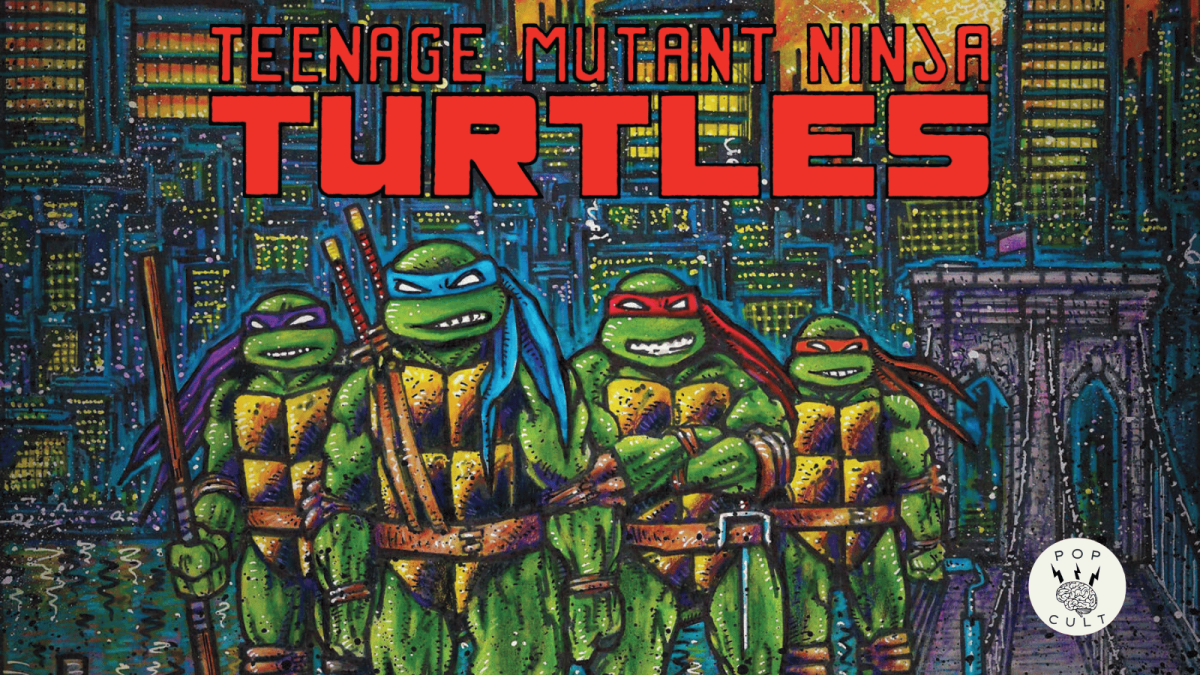
The first issue of Teenage Mutant Ninja Turtles was published in 1984 by IDW Entertainment. The characters and original stories were created by Kevin Eastman and Peter Laird. It was a black and white comic, matching the darker theme of 80’s comics in general. One would think that you wouldn’t be able to tell the turtles apart in black and white (since their mask colors are what distinguish them), but luckily, the original look of the Ninja Turtles had all of them wearing red masks. This meant that the weapons were the only way to distinguish them. Similarly to their unique colors, each turtle uses a different weapon. Leonardo uses swords (specifically a katana, given the book’s Japanese influence of ninjitsu. In fact, all of the turtles’ weapons are Japanese in origin), Donatello uses a bo staff, Raphael uses sais (a japanese dagger-alternative), and Michelangelo uses nunchaku. Most TMNT fans are familiar with the weapons that the turtles use, so it is nice to know that the different versions of the team all stay consistent with the source material to that regard.
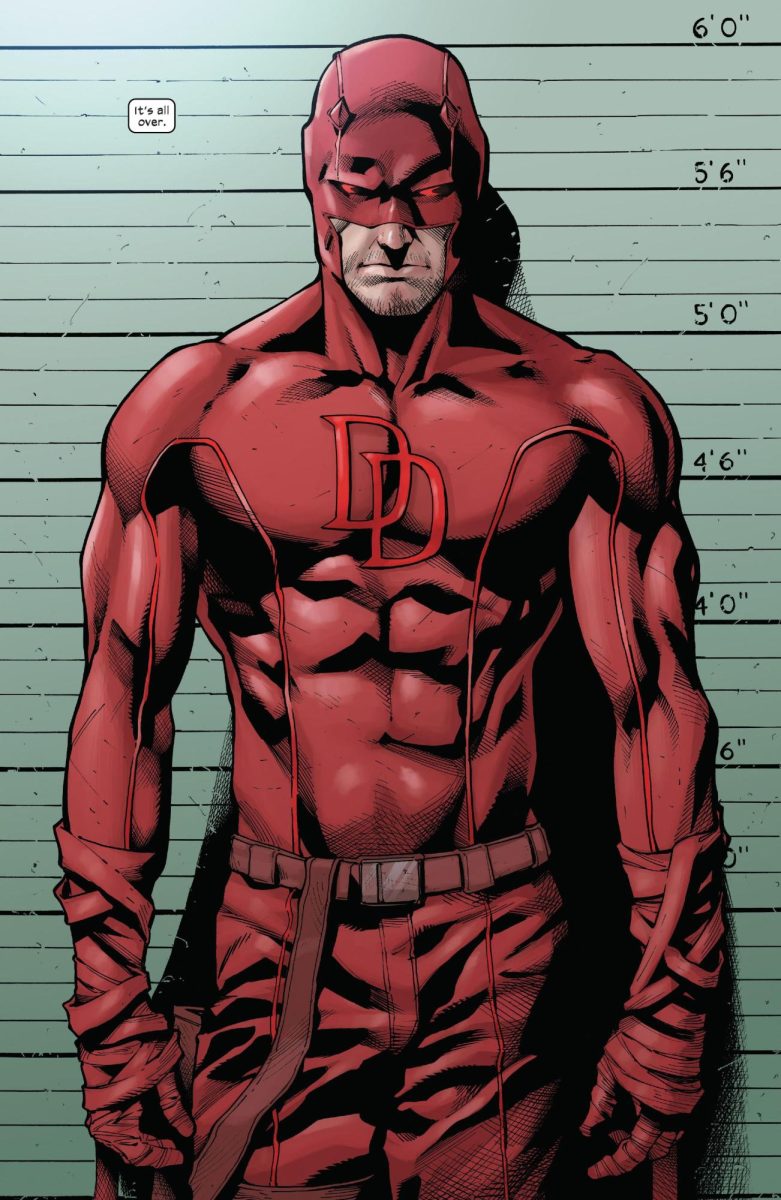
What’s interesting about the original Ninja Turtles is that Eastman and Laird originally made the comic to be a comedic parody of Daredevil from Marvel Comics. Parallels can be seen all throughout the Ninja Turtles, such as the similarity of their origin story. In Daredevil, Matthew Murdock gets his powers because he pushes an old man out of the way of a truck filled with radioactive chemicals, which fall into his eyes. In the Ninja Turtles, the radioactive fluid that mutates the turtles falls out of a truck after a boy pushes an old man out of the way. In addition, Daredevil’s trainer is named “Stick,” and the Ninja Turtles’ trainer is named “Splinter.” There’s also the fact that Daredevil fights a ninja clan called “The Hand.” Guess who the Ninja Turtles fight? “The Foot.” Of course, the general idea of fighters in New York City who save people in secret is there as well, but that isn’t necessarily unique to Daredevil.
Although the creators very clearly meant for Ninja Turtles to be a goofy poke at Marvel, it quickly developed into its own universe that continued to expand even into the 2010s. The Teenage Mutant Ninja Turtles comic books (original and modern) are easily overshadowed by all of the other media, primarily the shows and movies. The Nickelodeon cartoon from 2012 is widely regarded as the best or most popular TMNT media. If someone were to make a list to that regard, the comics would most likely be very low down. This doesn’t at all mean that they are poor quality or not enjoyable. After all, treasure is most often buried underground. Personally, I am getting into the TMNT comic books myself, and I have found them very enjoyable. Both the older 1984 comics as well as the modern runs are very interesting.
The Teenage Mutant Ninja Turtles were definitely prominent in many of our childhoods (and they even taught us the names of renaissance artists, which we give them credit for in history class), due to their worldwide popularity at the time of our youth. So if you left that “mean, green, fighting machine” in the past, why not pick it back up as an older comic reader? The Ninja Turtles definitely carry the same idea as the Transformers or Power Rangers, wherein the comics are not at all directed solely at children. The stories told in runs such as TMNT: The Last Ronin are fully capable of entertaining and captivating a reader of all ages.